The Market Knows
The people and relationships behind Southeast Asia’s fresh food markets
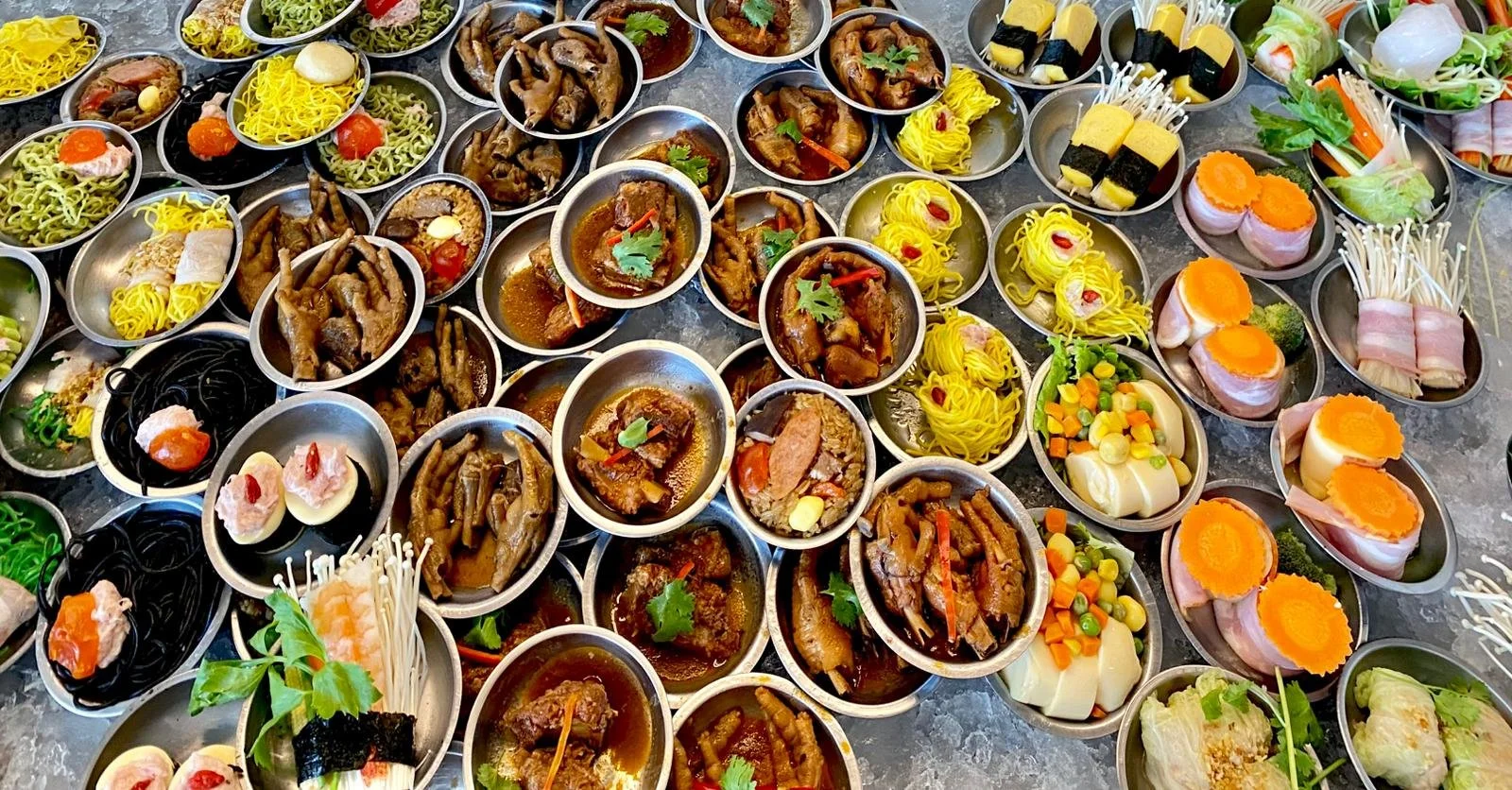
Whenever I arrive in a new town or city in Asia the local food market is usually one of my first stops. I am an early bird, so I often get there while the vendors are setting up. I buy a local-style coffee, find somewhere to sit and watch the morning begin. Then I wander through the stalls, sometimes with a shopping list, more often without one. I rarely leave empty-handed.
These markets rarely have a clear beginning or end. They occupy whatever space the neighbourhood allows, a lane between old shophouses, a strip of pavement, an alley roofed with corrugated iron and blue tarpaulins. Vegetables fill plastic baskets, fish and prawns lie on melting ice, and bags of dried shrimp carry prices written in felt pen. Customers squeeze past stalls as motorbikes edge through the same narrow space. Vendors weigh purchases, clean fish, rearrange produce or wait for someone they know. It looks untidy, but people generally seem to know where they are going and what they need.
The market is a shop, a place to eat and somewhere to catch up on local news. It is also a small economy that depends on familiar faces and daily routines. And, of course, the question of what to cook for dinner.
the market community
Several stalls may sell almost the same vegetables within a few metres of one another. The vendors compete for customers, but they also work alongside each other, sometimes for years. They watch a neighbour’s stall during a short break, change money or lend a hand when someone is busy. If customers stop coming to the market, everybody suffers.
The regular shoppers know their way around. They have a preferred fish seller, know who gets the vegetables early and which stall makes the curry paste they like. Shopping can lead to a conversation about what is good today, what has gone up in price or what the rain has damaged. A vendor’s suggestion might even settle the question of dinner.
In Trang, in southern Thailand, I watched a morning market spread across the pavement and into the gaps between shophouses. Baskets of chilli, garlic, shallots and limes stood under umbrellas. Shoppers worked their way around the stalls and the occasional passing motorbike. Most were buying small quantities, enough for meals that day. Nobody appeared to be stocking up for a week.
At a market in Hua Hin, I came across a woman selling cooked food from a modest stall. Much of her trade appeared to come from the other vendors. The people selling fish, vegetables and meat had to eat too, and she provided their meals without taking them far from work. The money earned at one stall was being spent at another. The market was feeding itself.
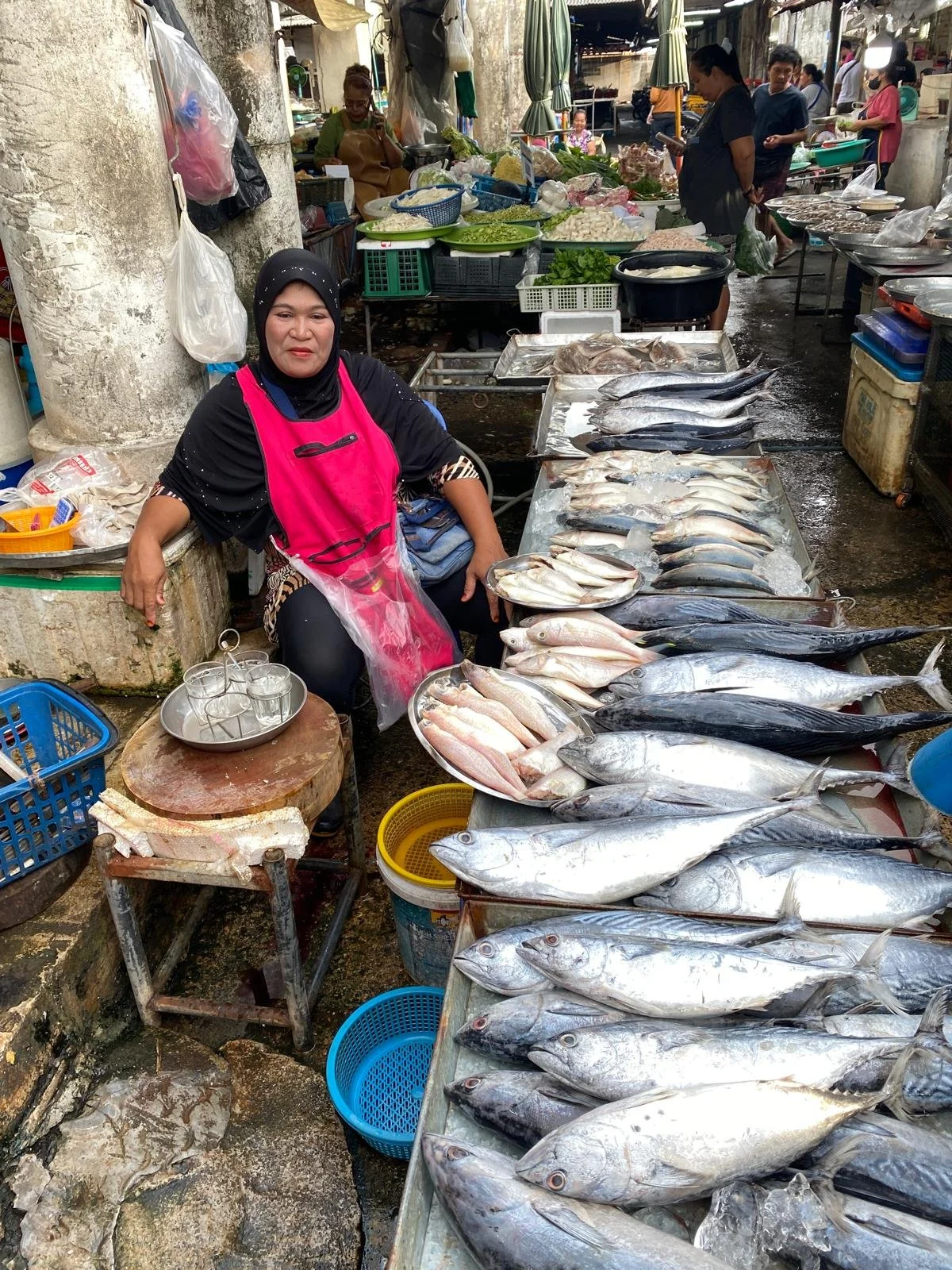
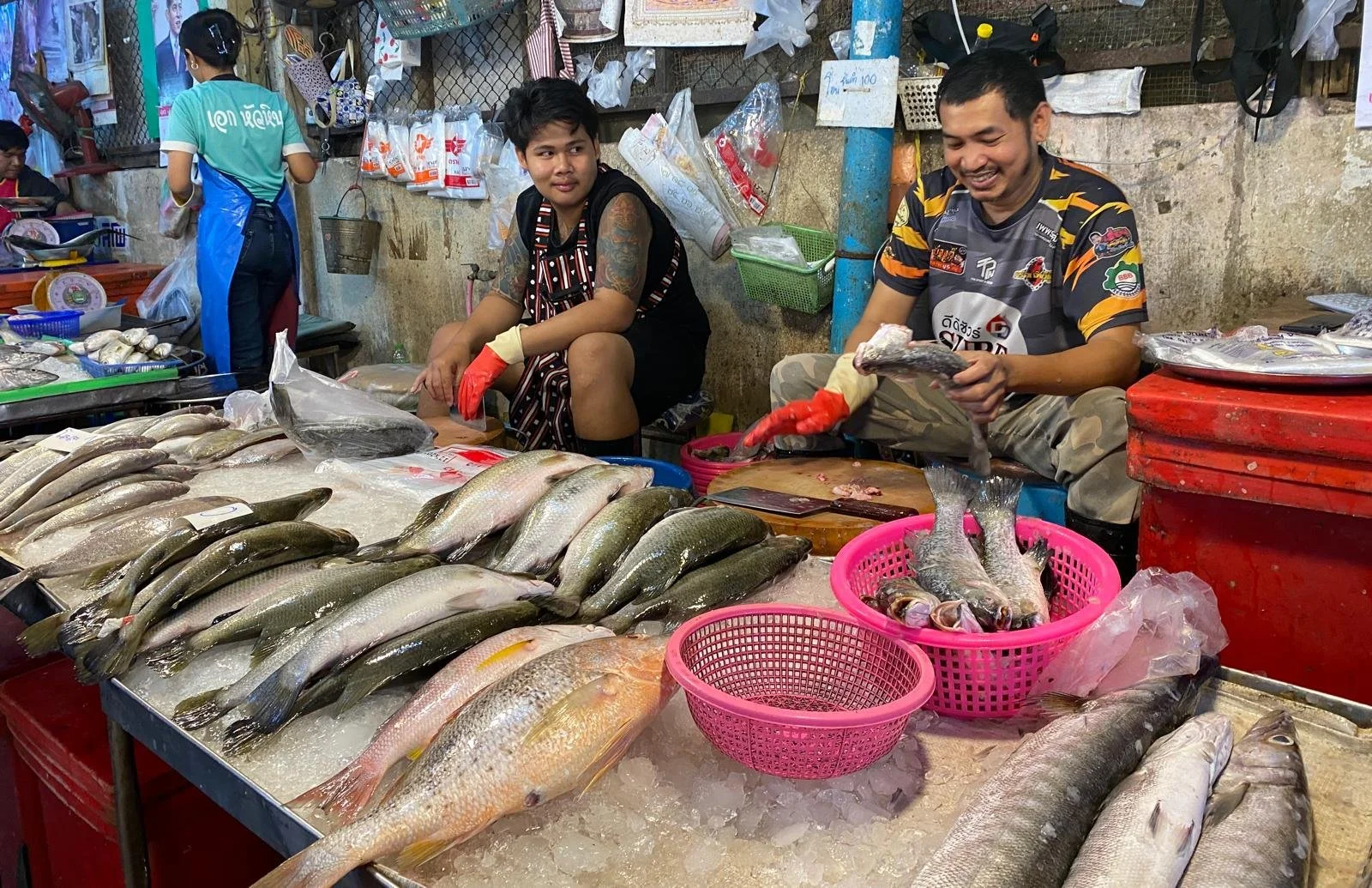
In Songkhla, we stopped to talk to a Muslim woman selling fish from a long row of metal trays. Large silver fish lay on crushed ice, with smaller varieties arranged behind them. She wore a black hijab and a bright pink apron. She had a gentle, welcoming manner, and our conversation was unhurried. She spoke readily about where the fish had been caught, how fresh they were and which cooking methods suited them best. She seemed genuinely pleased to share what she knew.
That sort of conversation is one reason people return to the same seller. A customer can ask what arrived that morning, which fish is better steamed or what would work in a curry. The answer comes from someone who handles the produce every day. I was struck by how readily she offered advice, without any pressure to buy. You may go to the stall intending to buy one thing and leave with another, along with an idea for dinner.
I also spoke with older Thai shoppers who preferred to buy food daily from their nearest market. They talked about freshness and convenience, but they were concerned about pesticides, organic claims and where their food had been grown. Several preferred produce from Thailand.
What struck me was how much confidence they placed in their usual vendors. They felt able to ask where vegetables had come from and whether chemicals had been used, and they trusted the answers. Some had been shopping with the same people for years. As they saw it, a seller would be foolish to risk losing a loyal customer by making a dishonest claim.
Of course, familiarity is no substitute for testing or organic certification. A seller may not know exactly how a vegetable was grown. Still, the shoppers valued being able to ask someone they knew, face to face, rather than relying solely on a label. Reputation mattered to both sides of the counter.
Where cooking begins
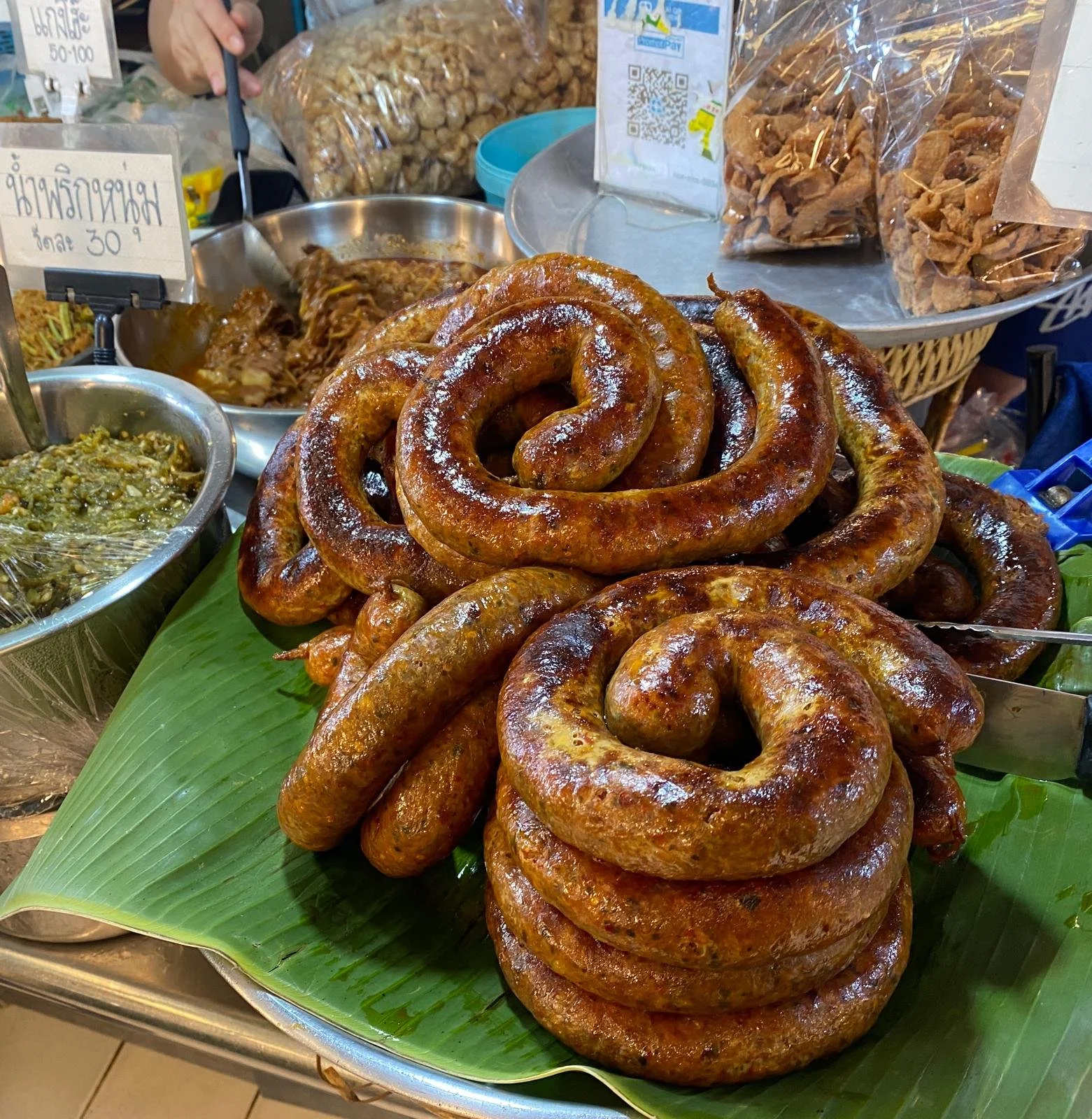
There is another aspect of these markets I find interesting. By the time the ingredients reach a household kitchen, some of the preparation has already been done. Fish have been cleaned, coconut grated, shrimp dried and curry paste made. A shopper is paying for that work, as well as for the ingredients themselves.
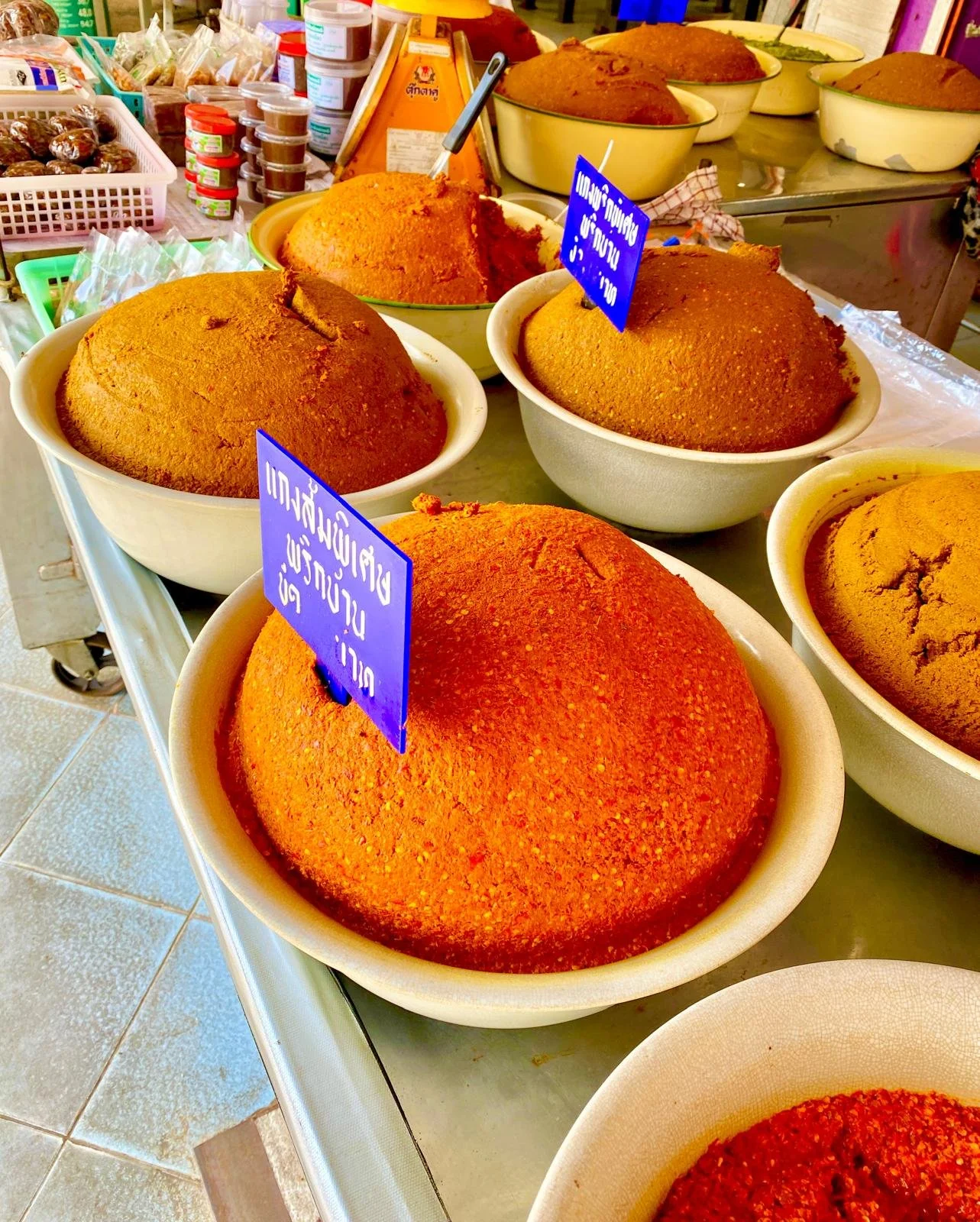
Consider a bag of fresh curry paste. The maker has selected and balanced the chilli, garlic, shallots, lemongrass, galangal and spices. Those ingredients must be cleaned, chopped and pounded before they can become the basis of a curry. The customer takes the paste home and finishes the dish. One of the most labour-intensive parts of the meal has already been handled by someone else, someone whose judgement becomes part of the cooking.
I asked one curry paste maker whether her recipe changed with the seasons. She said it did. Garlic, lemongrass, ginger and galangal can change in sweetness, strength and bitterness over the year, so she adjusts the proportions. A batch made with particularly sharp garlic, for example, may need a different balance from one made a few months earlier. She does not simply follow the same measurements every morning. She judges what is in front of her and makes changes. The customer buying a small bag of paste is also buying the benefit of that experience.
PHOTO: Curry paste maker and prepared pastes
The same market may sell fresh ingredients, cooked lunches, snacks and drinks. Some customers come to cook; others come to eat. Vendors need meals during the working day, as I saw in Hua Hin. There is no sharp boundary between shopping for food and buying something ready to put on the table.
not all markets are born equal
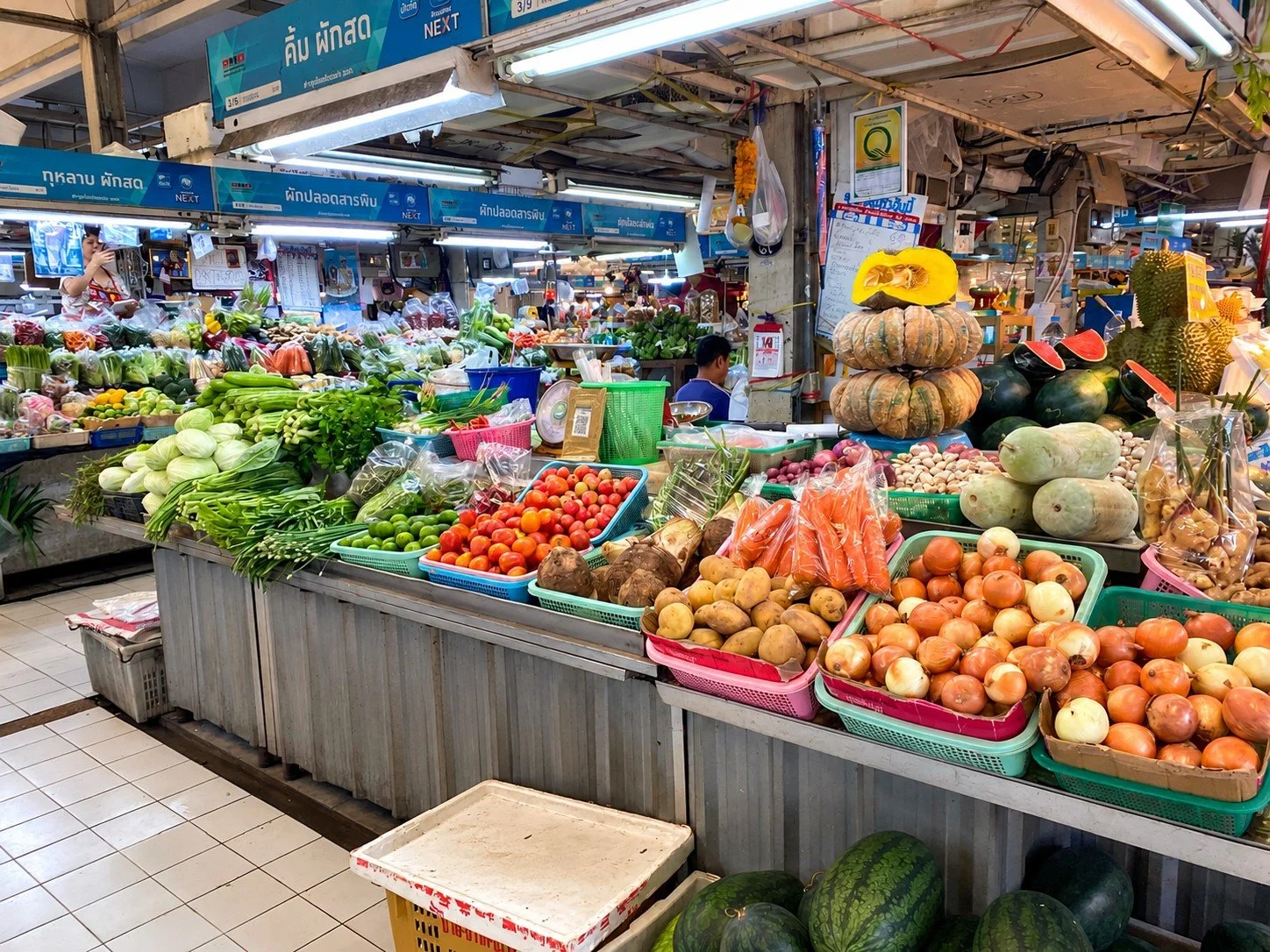
Two Bangkok markets show how different these places can be. Khlong Toei is sprawling, crowded, noisy and often wet underfoot. Traders push carts through narrow passages, working around stacks of crates and other people trying to get through. There are piles of vegetables, boxes of seafood, fish laid out on ice and the strong smell of fish and raw meat. The floors are wet, the passages busy, and much of the activity is concerned with shifting food from one place to another. Produce moves through in large quantities, with restaurants, smaller markets and street food businesses among the buyers. Much of it will be prepared and sold again elsewhere in the city.
When you buy grilled chicken with sticky rice or fried fish from a Bangkok street stall, the ingredients may already have passed through several hands. Khlong Toei is part of that supply chain. Buyers are concerned with price, volume and getting their purchases moved, often while other traders are unloading or sorting stock around them. It is a working market, not a place arranged primarily for a leisurely morning’s shopping.
Or Tor Kor Market, near Chatuchak, could hardly look more different. Operated by the Marketing Organization for Farmers, it has wide aisles, clean floors and carefully arranged displays. Fruit and vegetables are selected and presented with obvious attention, and prices can be correspondingly high. On my visits, many of the shoppers appeared to be relatively affluent Bangkok residents, happy to pay more for the produce and the surroundings.
It would be wrong to assume that one market sells better food simply because it looks better. They have different customers and different jobs to do. Khlong Toei moves food through Bangkok’s commercial kitchens and smaller retail outlets. Or Tor Kor offers a more comfortable, selective shopping experience. Both belong to the same food economy.
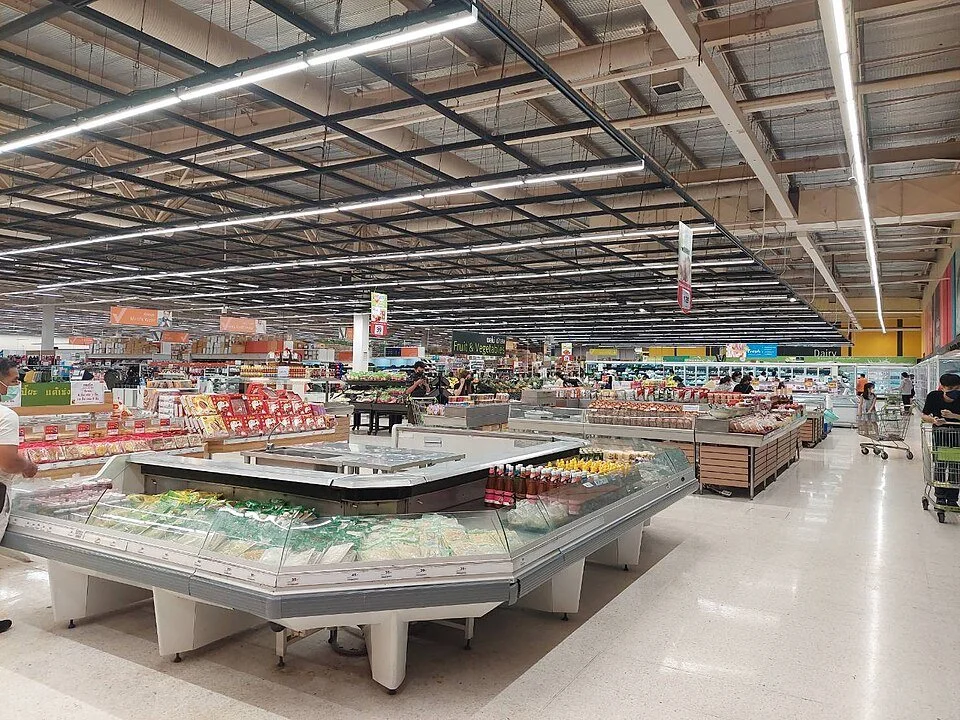
Big C Extra, Nonthaburi, Thailand. Photograph: Poonpun2016 / Wikimedia Commons, CC BY-SA 4.0
changing habits
Shopping habits are changing across Southeast Asia. Cities have grown, journeys to work have become longer for many people, and supermarkets, convenience stores and delivery services are now part of everyday life. Where people buy food often depends on how much time they have, how they travel and what they can afford.
In a smaller town, stopping at the market in the morning may be easy. In Bangkok or Jakarta, a market only a few kilometres away can be an awkward detour after a long working day. Picking up a cooked meal on the way home might make better sense. But the divide is not simply urban versus rural, or rich versus poor. Plenty of city residents watch their spending closely, and people in regional towns buy prepared meals too.
For someone living alone, there is also the cost of cooking a single meal. Buying several ingredients for a curry, preparing them and cleaning up afterwards may be less appealing than buying a freshly cooked portion nearby. The ingredients left over can cost money too. Prepared food has long been an ordinary part of life in Thailand, not something reserved for special occasions.
Many households shop in several places. They might buy fish and greens at a fresh market, packaged goods at a supermarket and dinner from a street stall. Sometimes a delivery rider brings the meal to the door. The cooking and preparation still happen, but not necessarily in the customer’s kitchen.
Coming from Australia, where a weekly supermarket shop is familiar, I notice the different rhythm of the local market. People buying only what they need for the day can decide what to cook after seeing what is available. Yet Thai shopping habits are changing too. The interesting question may be less about East and West than about how much of daily life still happens among the same neighbours and vendors.
what’s next?
I wonder what these markets will look like in twenty years. Will younger people want to get up before dawn and spend long days selling fish, vegetables or curry paste? Will delivery services and changing expectations about convenience alter the way the stalls operate? Almost certainly. Markets have always changed to suit the people who use them.
What I hope survives is the everyday contact between people. The fish seller in Songkhla who took the time to explain her catch. The curry paste maker who changes her recipe as the ingredients change. The vendors in Hua Hin buying lunch from a woman working a few stalls away. None of this is grand or unusual. It is simply how the place works.
I will keep looking for these markets when I travel. I will get there early, find a coffee and watch people begin their day. I will probably buy more than I planned. And I will leave knowing a little more about the town than I did when I arrived.